
ActivatE(U): Your Voice, Your Rights, Our Democracy
Erasmus + Training Course
Raches ( Greece)
Check below the Online Resource Center with some useful material for Human Rights Education, Active Citizenship and Democratic Participation.
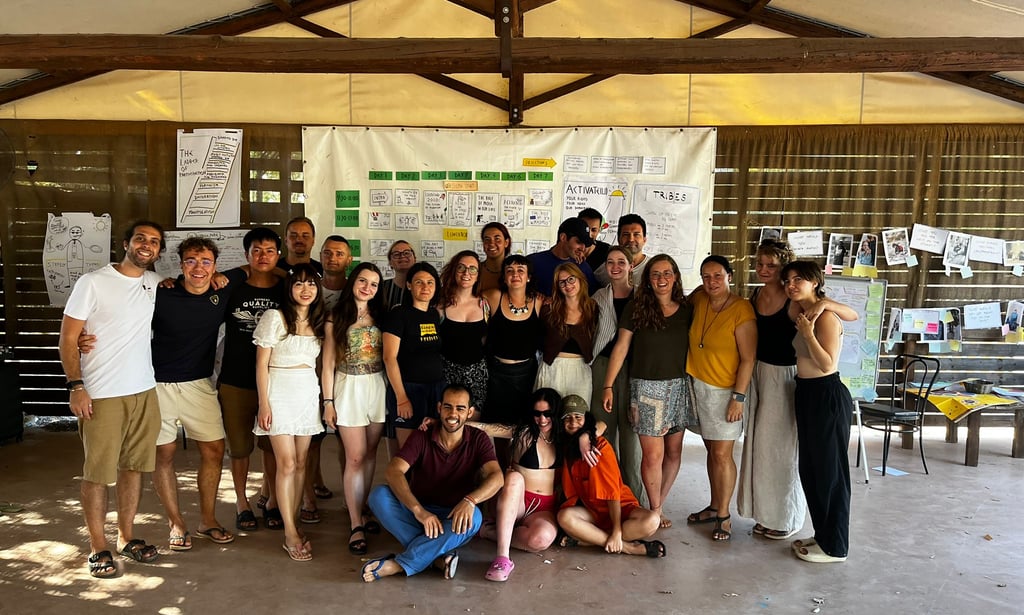
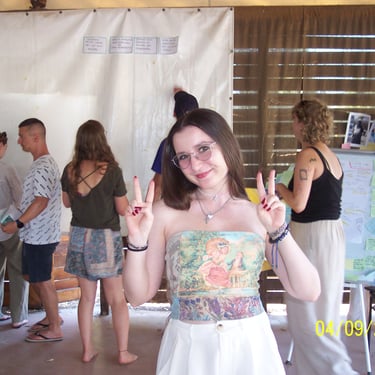
From 29 August to 4 September, youth workers from across Europe gathered in Raches, Central Greece, for the training course ACTIVATE(u): Your Rights, Your Voice, Our Democracy — an immersive learning experience that reconnected youth work with the core of human rights and democratic participation.
The project was built on a simple yet powerful belief: young people can shape fairer, more inclusive societies when they feel informed, confident, and connected. At a time when human rights and democratic values faced increasing challenges, ACTIVATE(u) brought Human Rights Education (HRE) back into everyday youth work — not as abstract theory, but as something lived, questioned, and applied.
Human rights were explored not as distant legal concepts, but as realities shaping daily life, both online and offline. Participants reflected on how many violations go unnoticed simply because they have become normalized. The training created a space where youth workers paused, reflected, and examined what human rights mean today, how they connect to democracy and active citizenship, and what role educators and youth workers play in protecting them. A strong focus was placed on shared responsibility, highlighting that democracy functions only when people feel they are part of it.
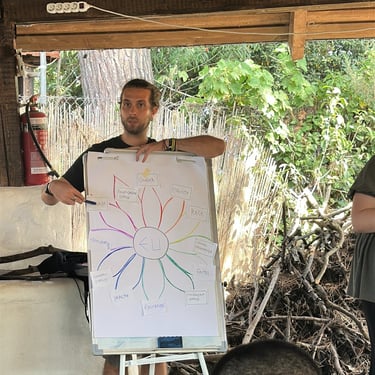
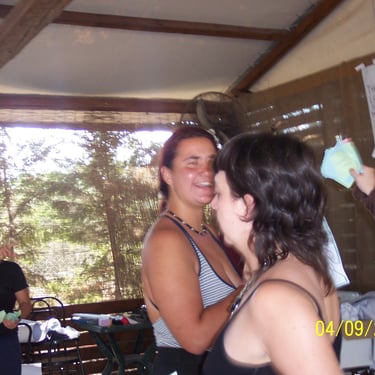
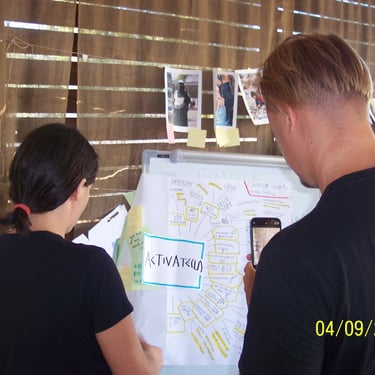
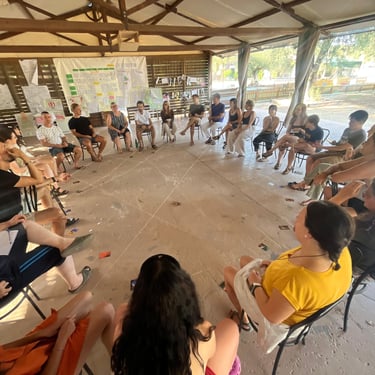
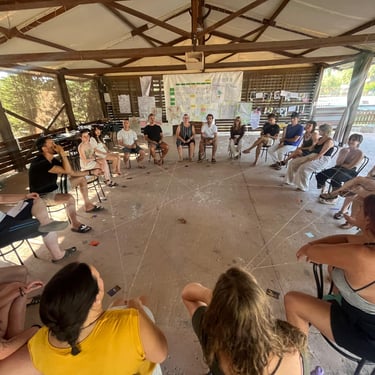
ACTIVATE(u) was designed as a participatory and reflective learning journey. The training moved beyond lectures and focused on experiential learning, dialogue, and collaboration. Through real-life simulations, group discussions, creative exercises, and collective reflection, participants explored human rights in practice. Critical thinking was encouraged throughout the process. Rather than providing quick answers, the course invited participants to question assumptions, share perspectives, and examine how human rights apply in everyday situations, including digital environments. Participants co-created the learning environment, which fostered a strong sense of ownership and responsibility for the group process.
The training course achieved several key objectives. It opened conversations about human rights and shared responsibilities by creating safe spaces where participants could explore complex issues together. It encouraged critical thinking by allowing participants to experience and analyze real-life situations rather than simply learning theoretical frameworks. The project strengthened the role of youth workers as mentors and changemakers, equipping them with tools and confidence to guide young people toward active citizenship and democratic engagement. Special attention was given to the connection between human rights and digital rights, examining how online spaces influence participation, expression, and inclusion in modern democracies.
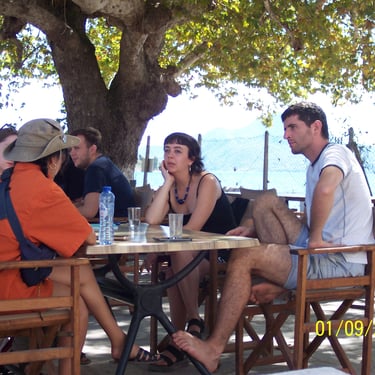
The project took place at NISI Glamping in Raches, a sustainable seaside site that supported an immersive outdoor learning experience. Surrounded by nature, participants stayed in eco-friendly accommodation and spent most of the training outdoors. Sustainability was integrated into the project’s daily life through local food sourcing, waste reduction, responsible use of resources, and support for the local community. This environment reinforced the project’s values of responsibility, awareness, and connection.
ACTIVATE(u) was not only a one-week training course, but a starting point. Participants returned to their home communities with new perspectives, methods, and motivation to bring Human Rights Education into their local work. By fostering dialogue, encouraging critical reflection, and promoting democratic participation, they helped young people recognize that their rights matter — and that their voices do too. The project served as a reminder that democracy is not only something we inherit, but something we build together through everyday actions, awareness, and participation.
Project funded by the Erasmus+ Programme and approved by the Austrian National Agency

Vilnius - Lithuania
For any questions, please contact:
hello@loudnclear.lt
PIC: 880758837
OID: E10339930